



Commercial Fencing · Apartments & HOA Communities
Does an Apartment Complex or HOA Community Need Different Fencing Than a Standalone Business?
Both are commercial-scale jobs, but a residential community and a standalone business are solving different problems with their perimeter. Here’s what actually changes.
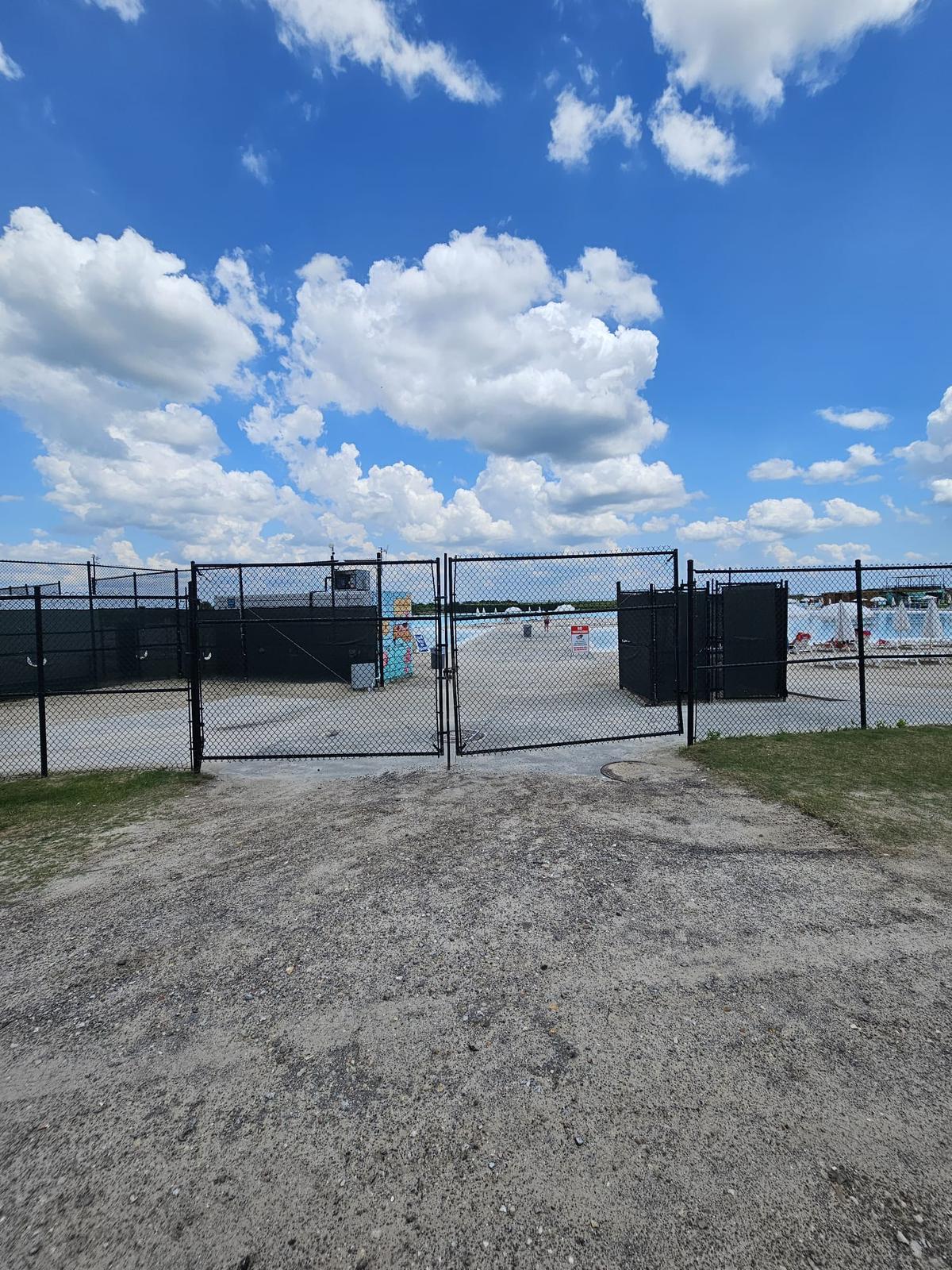
An apartment complex or HOA community and a standalone business both need commercial-grade fencing, but they’re rarely solving the exact same problem. A multifamily property or planned community is managing resident-facing aesthetics, pool-code compliance, and dozens of individual access points across a long, often irregular perimeter. A standalone business — a warehouse, retail pad, or single office building — is typically managing a simpler, more security-driven perimeter with fewer stakeholders to satisfy. Both need a licensed commercial contractor, but the right fence spec often looks different.
What Makes Apartment & HOA Community Fencing Different
- Longer, more irregular perimeter runs — wrapping multiple buildings, greenbelts, and shared amenity areas instead of one building footprint.
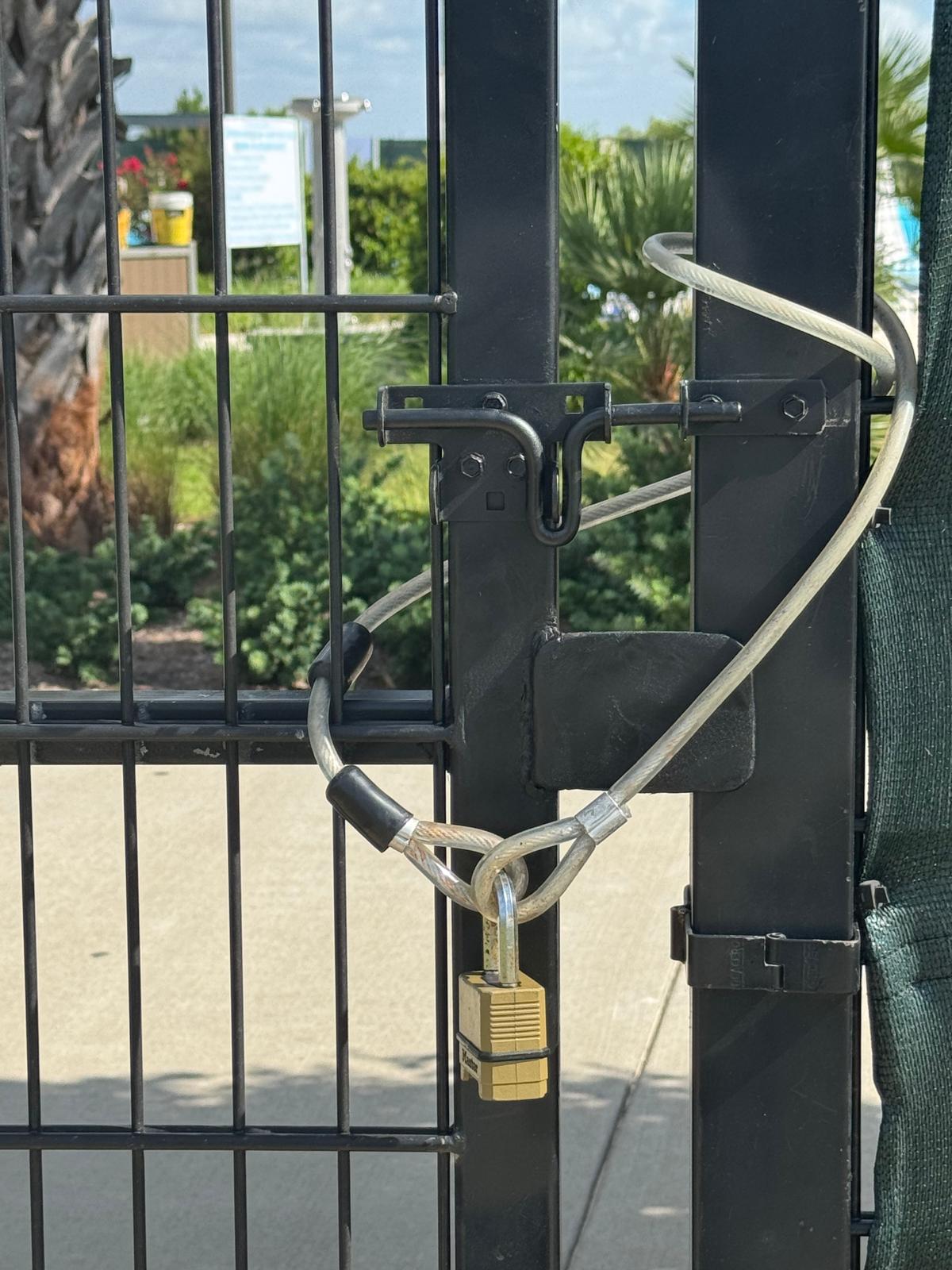
- Pool and amenity code compliance — community pools, splash pads, and playgrounds typically fall under specific height, gap, and self-latching gate requirements that a standalone office or warehouse simply doesn’t have to meet.
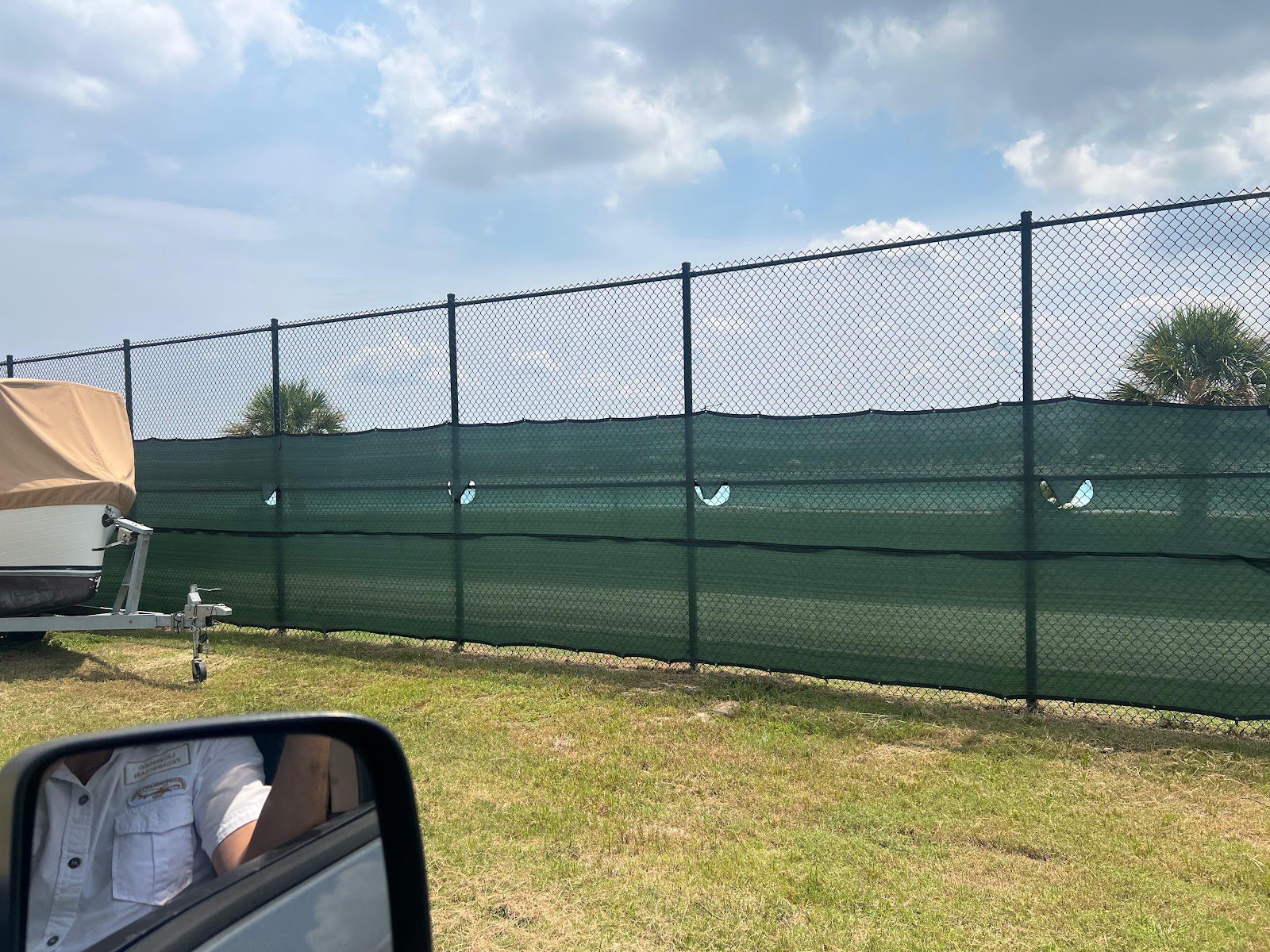
- Resident-facing aesthetics — residents live behind and beside this fence every day, so appearance, consistency, and HOA architectural standards carry more weight than on a back-lot industrial perimeter.
- Multiple access points and user groups — residents, staff, vendors, and emergency access often each need their own gate or credential, versus a standalone business’s typically simpler single-entry model.
- Occupied-site installation logistics — work has to happen around residents’ daily lives and vehicles, not a closed job site, which affects scheduling and phasing.
Community vs. Standalone Business, Side by Side
Apartment / HOA Community
Long, multi-segment perimeter; pool and amenity code compliance; resident-facing aesthetics and HOA architectural review; multiple resident/staff/vendor access points; phased work around an occupied site.
Standalone Business
Typically one contiguous building perimeter; security and access control are the primary driver; fewer stakeholders to satisfy on appearance; usually a simpler single or dual-entry gate plan; job site is closed to the public during work.
Watch: Community & Commercial Gate Work
Apartment & HOA Community Fencing: FAQ
Does an apartment complex need different fencing than a standalone business?
Often, yes. Apartment and HOA community fencing usually has to account for pool and amenity code compliance, resident-facing aesthetics, HOA architectural review, and multiple access points for residents, staff, and vendors — considerations a standalone business’s perimeter typically doesn’t carry to the same degree.
Do community pool fences have special requirements?
Typically yes — community pools, splash pads, and similar amenities commonly fall under specific height, gap, and self-latching gate hardware requirements. Always confirm the exact current requirements with your local building department, since specifics vary and this isn’t legal advice.
Can one contractor handle both a community’s perimeter and its amenity fencing?
Yes — a single licensed commercial contractor can typically spec and install both the property’s main perimeter and its pool or amenity-area fencing, which avoids the coordination gaps that come from splitting the work between separate crews.
What Houston Properties Say
★★★★★ 4.9 rating · 1,150+ reviews across Google, Facebook, Thumbtack & Angi · Read our Google reviews
Managing fencing for an apartment complex or HOA community?
Mustang Fencing & Gates specs and installs perimeter, amenity, and access-control fencing for multifamily and HOA properties across Greater Houston.
Get Your Free Community Fencing Estimate
Mustang Fencing & Gates · 13004 Murphy Rd #222, Stafford, TX 77477 · (346) 639-4333
