



Houston Commercial Screening & Enclosures
A dumpster enclosure answers to two bosses — the city inspector who wants it screened, and the front-load hauler who slams the gates open twice a week. We build the one enclosure that keeps both of them happy.
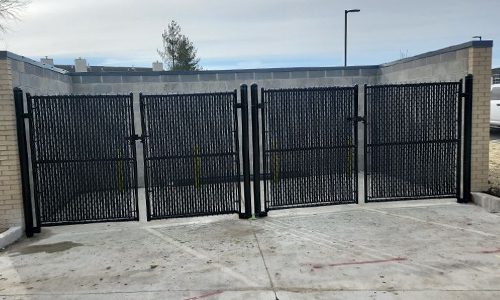
Here is the trap most Houston property owners fall into: they screen a dumpster to satisfy the city, the hauler tears the gates apart within a season, and the leaning, gate-less enclosure that is left behind is right back out of compliance. Mustang Fencing & Gates builds commercial trash and equipment-screening enclosures across Greater Houston that solve both problems at once — solid, opaque screening that reads as compliant from the street, wrapped around hauler-rated swing gates and drop-rod hardware engineered for the abuse a garbage truck actually delivers.
What Houston Inspection Actually Looks For
Most enclosure citations trace back to the same short list of requirements. Here is what a commercial screening inspection is really checking, translated out of code language — we confirm the exact standard for your jurisdiction and any deed restriction at the site visit.
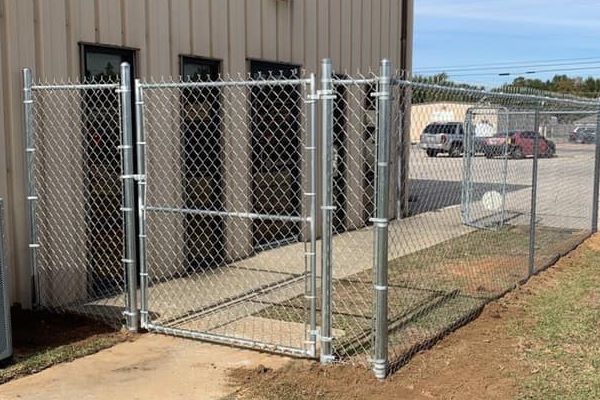
- Solid, opaque screening The container has to be screened from public view by a solid barrier — open chain link does not qualify, which is why we screen with louvered steel, solid panel, or composite.
- Full-height concealment Typically a 6-foot minimum, and taller wherever a compactor, cardboard bin, or grease equipment stands above six feet. We measure your actual equipment, not a generic assumption.
- Not visible from the street The enclosure and the gate swing get sited so the open face never presents the container to the right-of-way — one of the most commonly missed citations.
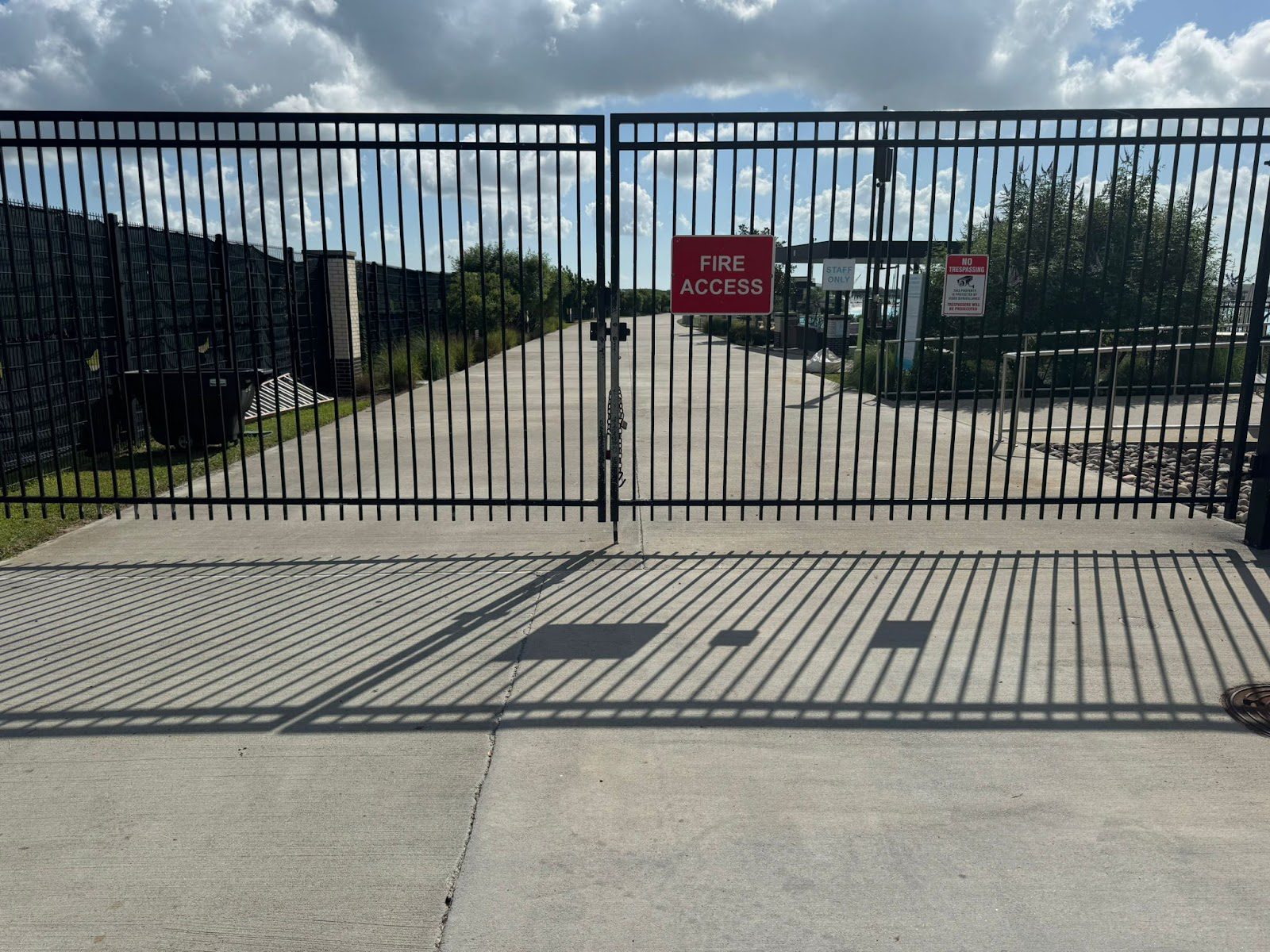
- Gated hauler access The opening needs gates a driver can open, secure open during the lift, and latch closed again — gates that sag or will not re-latch are both a code problem and a service problem.
- Maintained condition A leaning, rusted, or gate-on-the-ground enclosure is out of compliance even if it was built to spec — which is exactly why hardware quality is a compliance issue, not a convenience.
The Gate Is Where Enclosures Die
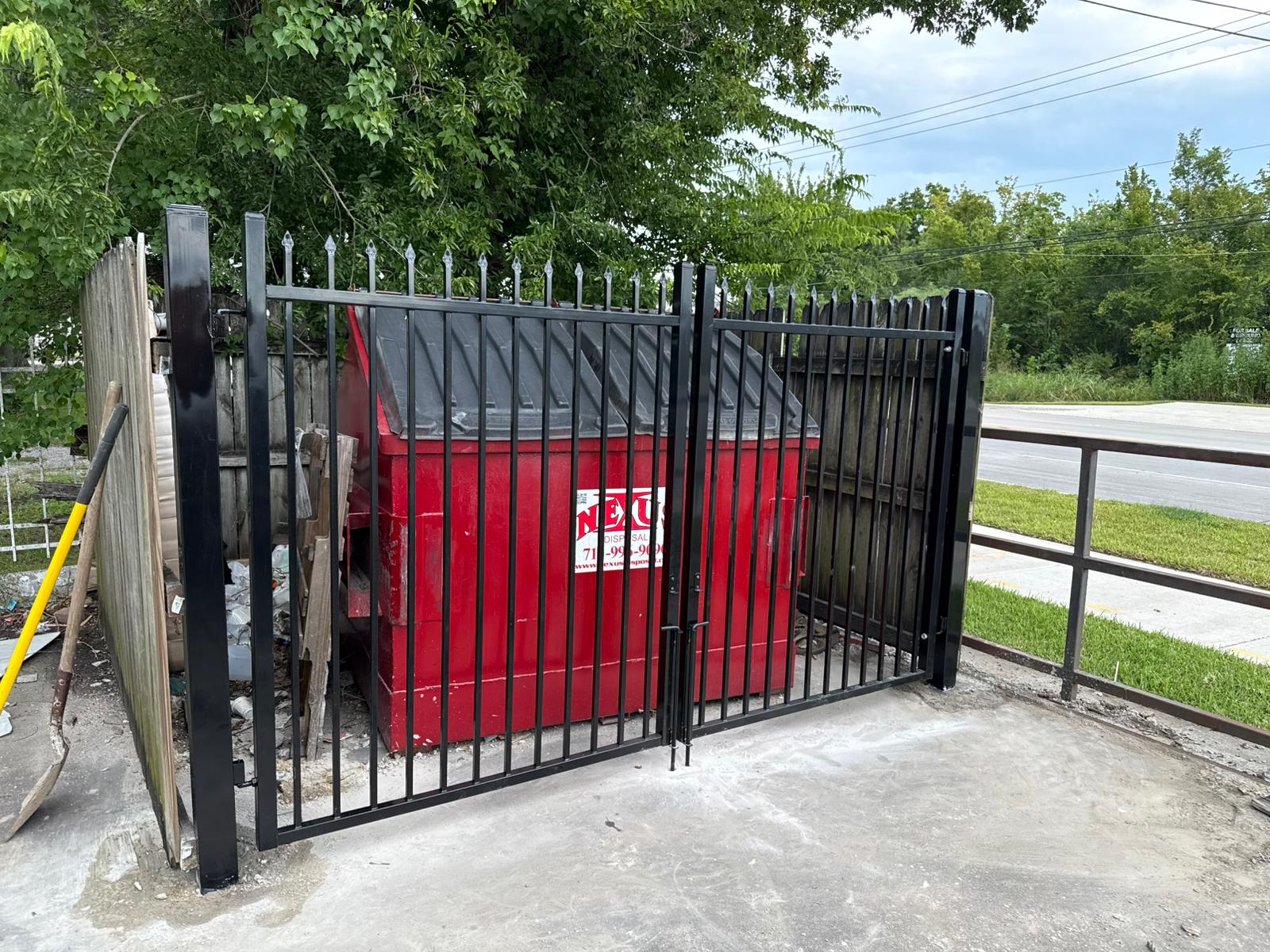
On a dumpster enclosure the screening is the easy part. The gate is the only moving, load-bearing, abused component on the whole structure — and it is precisely where most contractors under-build. A front-load hauler treats your gate like it is disposable, so we spec the opening heaviest: welded steel tube frames, oversized hinges, full-height drop rods seated in concrete, and ground-set hold-open catches so the driver secures each leaf during the lift instead of letting it rebound into the truck.
Anatomy of an Enclosure That Lasts
An enclosure is three systems — posts, screening, and gates — plus the bollards that protect all three. Here is how we build each part so the whole assembly survives daily commercial use instead of failing one piece at a time.
Structural posts & footings
Heavy-gauge steel posts set in deep concrete footings sized for gate load and Gulf Coast clay. The gate-side posts carry the most load on the whole structure and are spec’d accordingly — undersized posts are why gates start leaning within a year.
Screening infill
The opaque face that satisfies the ordinance: louvered steel, solid metal panel, or composite, chosen for your corrosion exposure, impact level, and deed-restriction aesthetics. This is the part inspection studies from the street.
Hauler-access gates
The moving, load-bearing, abused part. Welded steel frames, heavy hinges, full-height drop rods, and hold-open hardware so the driver can secure the leaf during a lift — instead of letting it swing into the truck.
Bollards & curb protection
Steel bollards at the corners and gate openings take the truck and container impacts that would otherwise transfer straight into your posts and screening — the difference between a repair every year and a decade of service.
Screening Materials, Compared
All three compliant options block the sightline the city cares about — the choice comes down to corrosion exposure, impact tolerance, deed-restriction aesthetics, and budget. Cost tiers below are relative to one another for planning, not a quote.
| Screening | Opacity / Compliance | Durability Under Hauler Use | Relative Cost | Best For |
|---|---|---|---|---|
| Louvered steel | Full visual screen with airflow | Highest | $$ | Restaurants, retail, daily-lift sites |
| Solid metal panel | Fully solid, maximum opacity | High | $ | Street frontage on a tighter budget |
| Composite / synthetic | Fully solid, color-matched | Medium (steel-framed) | $$$ | Deed-restricted & HOA aesthetics |
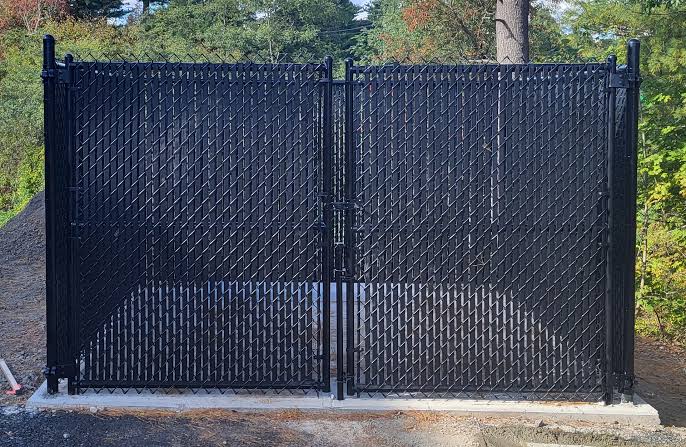
| Chain link with slats | Often not fully opaque | Low | $ | Rarely advised — risks re-inspection |
Trusted by Houston businesses with 650+ Google reviews. Get a screening plan built to clear your inspection the first time — no pressure, no obligation.
How Screening Holds Up to a Hauler
The bars below rank how each screening choice generally survives repeated hauler contact and Gulf Coast corrosion — a durability guide for planning, not a quote. Impact tolerance is the reason we default restaurants and high-traffic sites to louvered or solid steel.
From First Walk to Final Latch-Check
Every enclosure we build moves through the same five commitments — and nothing gets fabricated until you have a number in writing.
- Walk the site. We measure your actual container and equipment, check the sightlines from the right-of-way, and confirm the standard your jurisdiction — and any deed restriction — will hold you to.
- Put the bid in writing. A line-itemed proposal with your screening options laid out side by side, so you can weigh louvered steel against solid panel or composite before you commit to anything.
- Fabricate the gates. Leaves are welded square in our shop and fitted with drop rods and hold-open hardware before anything arrives at your property.
- Install around your pickup schedule. Footings poured for Gulf Coast clay, screening hung, gates set, bollards planted — sequenced so your hauler never misses a lift.
- Walk it with you. We swing every leaf, seat every drop rod, and hand the enclosure over only after you have watched it all work.
Deed Restrictions, HOAs & the Hardest-Used Sites
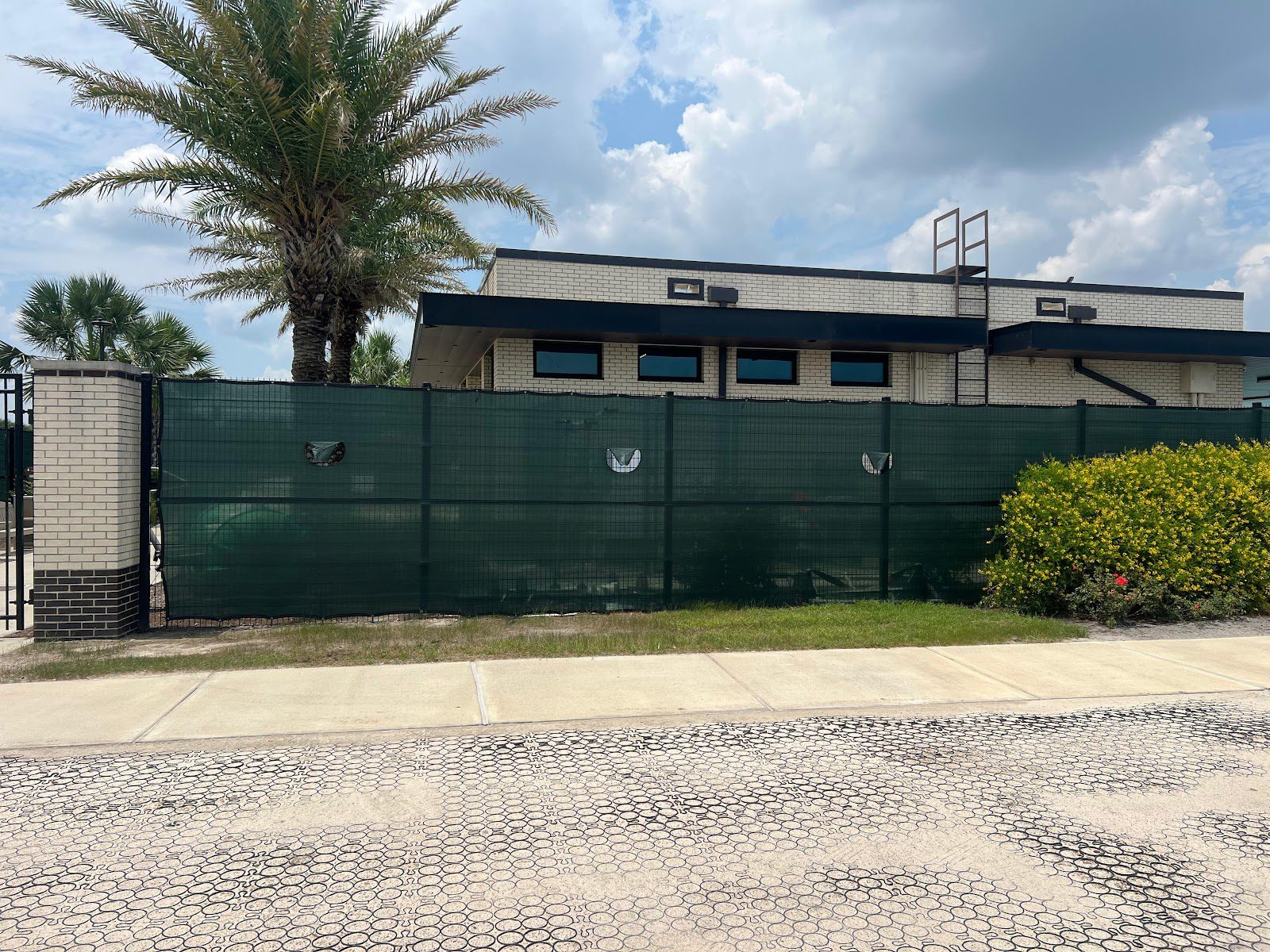
City code is the floor, not the ceiling. Many commercial pads and mixed-use sites also answer to deed restrictions, HOA architectural committees, or master-planned community standards that dictate color, material, and height beyond what the city requires. We build to whichever rulebook is stricter, so you clear municipal inspection and community review in a single build instead of tearing out non-conforming work twice. Where covenants call for a masonry look or a specific color, we match it with composite or coordinated steel screening framed to commercial strength.
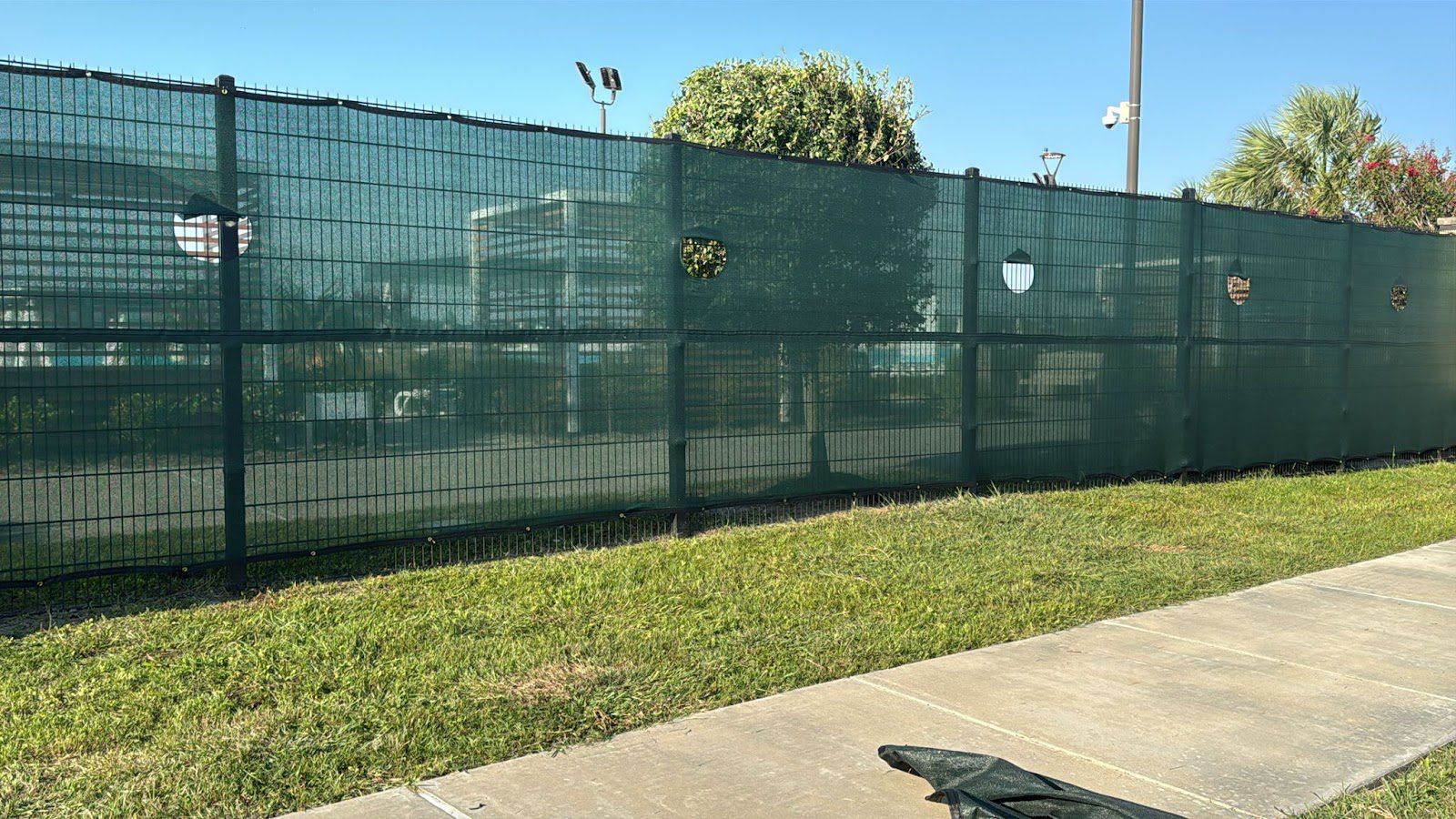
We are single-application specialists in commercial screening across Houston and its suburbs — Sugar Land, Katy, Pearland, Stafford, Missouri City, Cypress, and The Woodlands. Restaurants and QSR sites are the hardest-used of all, with grease bins, cardboard, and daily lifts, so we build those for high-frequency hauler contact and the grease-and-water corrosion that eats lesser hardware. Retail strip centers, franchise and multi-site operators, and office, medical, and industrial property managers round out the enclosures we build most.
The Reviews Behind the Hardware
Property managers and facility teams grade us the honest way — in public. Across platforms, Greater Houston has left us 650+ reviews on Google, 250+ on Thumbtack, 150+ on Angi, and 100+ on Facebook.
Recent Commercial Work Across Greater Houston
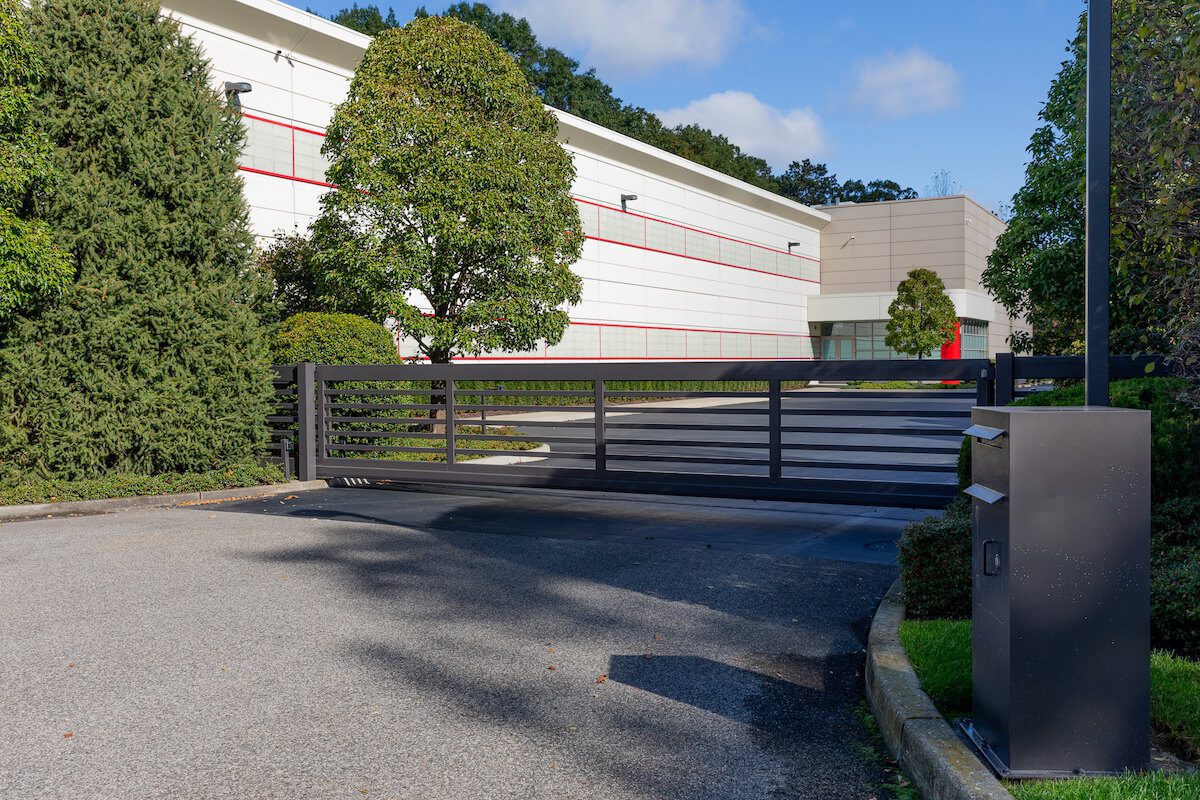
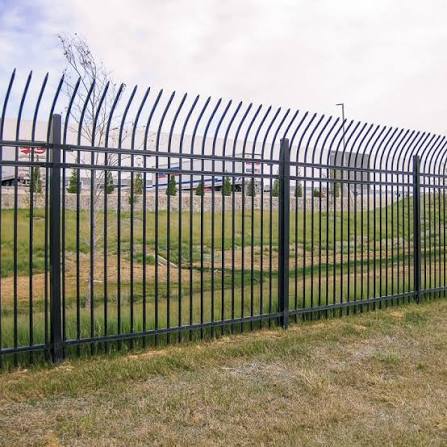
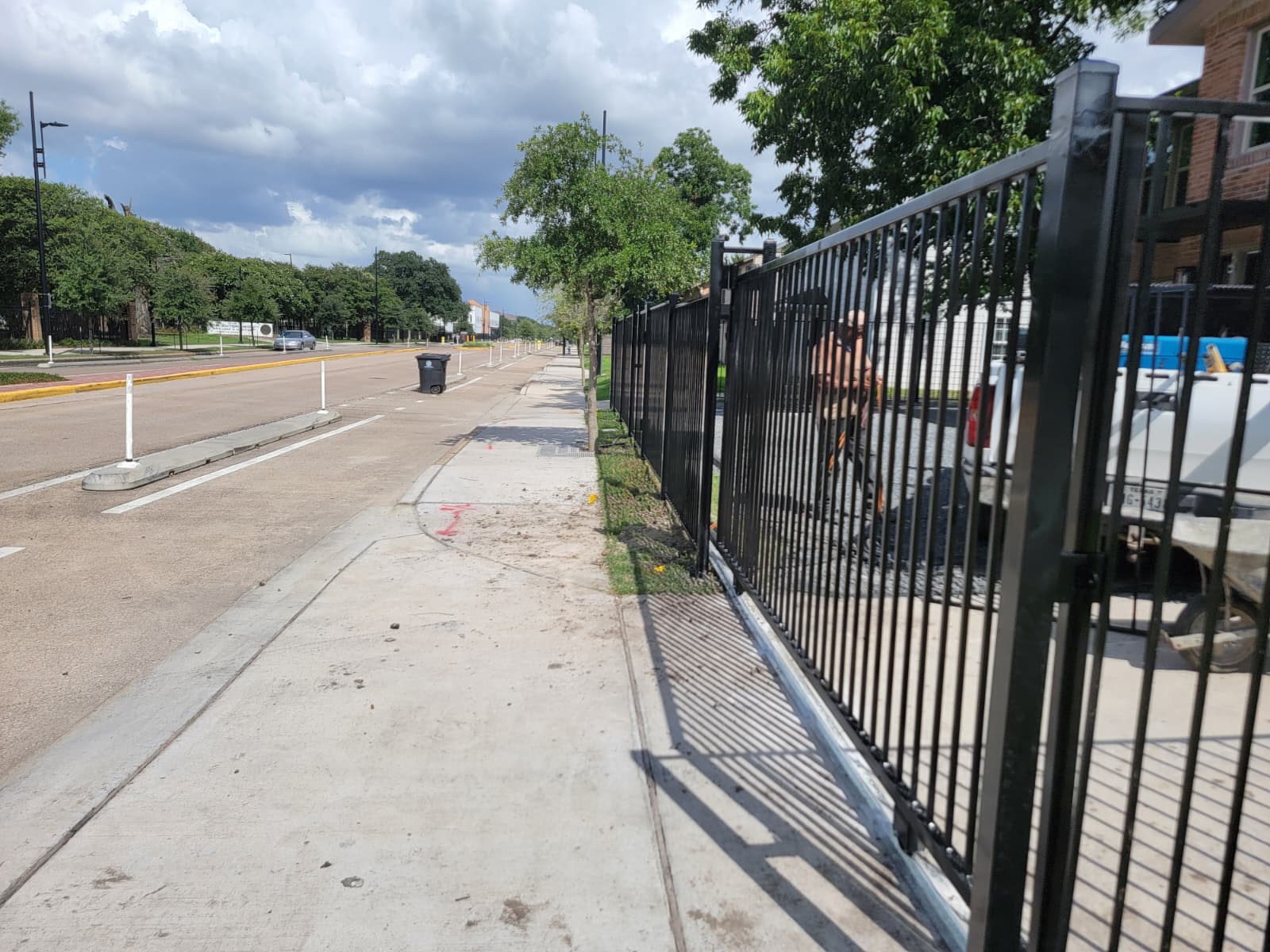
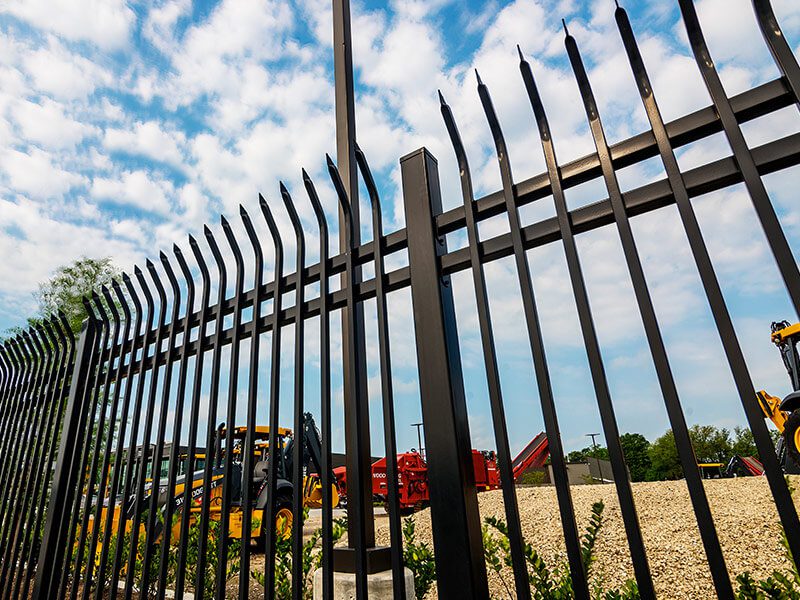
Real Mustang Fencing & Gates commercial installations around the Houston area — designed, fabricated, and installed by our own crews.
Enclosure Service Area
We build dumpster and equipment-screening enclosures within roughly 50 miles of our Stafford shop — wherever Greater Houston puts a restaurant pad, a strip center, or a loading dock:
- Houston
- Stafford
- Sugar Land
- Missouri City
- Bellaire
- Katy
- Cypress
- Jersey Village
- Pearland
- Friendswood
- League City
- Pasadena
- Humble
- Spring
- Richmond
- Rosenberg
Watch: Enclosures, Heavy Gates & Bollards
What does the City of Houston require for a dumpster enclosure?
In plain terms: dumpsters and bulk containers must be screened from public view by a solid, opaque barrier, generally at a 6-foot minimum (taller where equipment stands taller), sited so the container is not visible from the street, with gated access for the hauler, and kept in good condition. Standard open chain link alone does not meet the opacity requirement — which is why we screen with louvered steel, solid panel, or composite. We confirm the exact standard for your specific site and jurisdiction at the visit.
Will chain link with slats pass inspection?
It depends on opacity, and it is a gamble we do not recommend. The ordinance calls for solid screening from public view, and standard slatted chain link often does not read as fully opaque from the street. Rather than risk a failed re-inspection, we recommend louvered steel or solid panel screening, which clearly satisfies the requirement. We assess your specific site at the visit.
How tall does the enclosure need to be?
Usually a 6-foot minimum to fully conceal a standard container, and taller when a compactor, cardboard bin, or grease equipment sits above six feet. The rule is that the container is concealed from view, so we measure your actual equipment rather than assuming a standard height.
Why do enclosure gates fail so often, and how do you prevent it?
The gate is the only moving, load-bearing, abused part of the enclosure — a front-load hauler slams it open and closed twice a week, often letting the leaves rebound into the truck. Most gates fail because they use undersized posts, light hinges, and no hold-open hardware. We over-build the opening: welded steel frames, oversized hinges, full-height drop rods, and ground-set hold-open catches so the driver can secure the leaf during the lift instead of destroying it.
Can you meet both the city code and our deed restriction or HOA?
Yes — we build to whichever standard is stricter. If your deed restriction or HOA specifies a color, material, or masonry-match look beyond what the city requires, we meet it with composite or coordinated steel screening framed to commercial strength, so you clear both municipal inspection and community review in one build.
Do you build enclosures outside the City of Houston?
Yes. We build across Houston and its suburbs — including Sugar Land, Katy, Pearland, Stafford, Missouri City, Cypress, and The Woodlands. Screening requirements vary by jurisdiction and by deed restriction outside city limits, so we confirm the applicable standard for your specific site before we build.
Pass Inspection the First Time
Skip the citation-rebuild-recitation cycle. Mustang Fencing & Gates will walk your site, measure your actual equipment, and build a code-compliant enclosure with gates engineered for the hauler — screening that stays compliant instead of failing next season.
Get Your Free Dumpster Enclosure Estimate
Mustang Fencing & Gates · 13004 Murphy Rd #222, Stafford, TX 77477 · (346) 639-4333
Call (346) 639-4333